Food Allergies in the Classroom
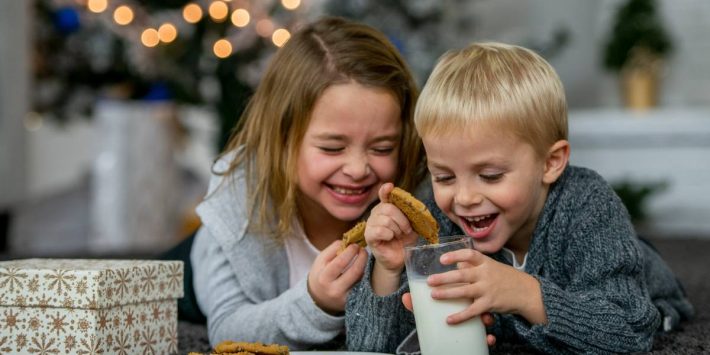
Food allergies and kids are a complicated combination in any setting. Class parties are especially difficult for students because they want to join in the celebration with their classmates and might be overwhelmed by the desire to fit in, rather than be vigilant about their diet.
Many schools already prohibit nuts in all food products brought into the school, but some student’s allergies could be so severe that even products made on the same equipment as nuts can require emergency treatment.
Additionally, some schools also prohibit homemade goods from classroom parties because of the potential variation in ingredients. If food is a must, look into purchasing products from an allergy-free bakery or consider some packaged goods, which are required by law to be labeled completely and accurately on allergen information.
Here’s a safe way to plan a food-allergy safe party for the classroom:
- Know your audience. Every student should have an up-to-date medical form including all food allergies, emergency contacts and special needs in their file. Email parents frequently to ensure all of the information is correct.
- Post-it nots. Recently, we saw a lunchroom where there was a small white board with the photos and information on each allergic child at the school. All of their food allergies were listed with the appropriate response if there was accidental ingestion.
- Go fresh and organic. Although it’s important to note that fruit allergies exist, making a fresh fruit salad (avoiding any allergy-trigger fruits if reported by parents) is a delicious way to have a healthy sweet treat.
- Frozen fun. Have each classroom concoct fruit juice popsicles from combinations like grape/lime and mango/peach and head out to the playground to enjoy the treat. Click here for a recipe.
- Sweet treats. There are many new sweet treats in the marketplace, which use organic ingredients and avoid trigger ingredients like gluten, nuts or dairy. Depending on the students’ needs, these packaged goods and bakeries may have appropriate options.
- Check your bags. Keep all food package wrappers handy for quick ingredient checks in case of an allergic reaction. Parents or first-responders will need to know the exact ingredients of the party treat in case of emergency.
- Focus on the fun, not the food. Children are usually focused on the fun activities of a party rather than eating. How many school and home parties have we all had where plates of food, even sweets, remain untouched? Keep students engaged in games and food will be secondary:
- Stick the leaf on tree. Make a large tree out of recycled paper bags and hang it on a wall. Make many multicolored leaves out of paper scraps and place a small piece of tape on each. Children close their eyes and try to get the leaves on the tree.
- Junk jungle. Break out the recycling bin and the kids’ imagination. Provide supplies like glue and scissors and put the kids in theme teams. Have the groups make recycled creations like dinosaurs, jungle animals or space ships.
- Dog party. Have students bring homemade dog toys, blankets and edible dog treats, which will be collected for the local SPCA. This is a good opportunity to teach kids about charity.